Various colors have a strong emotional effect on people.
It reflects the spirit of the people
who create it Color is definitely related to the lives of
the individuals and the material things
RED - tends to produce rage or passion; it is exciting and
stimulates the brain.
It has an aggressive quality and is frequently associated
with violence
and excitement.
(medium red) suggests health and vitality
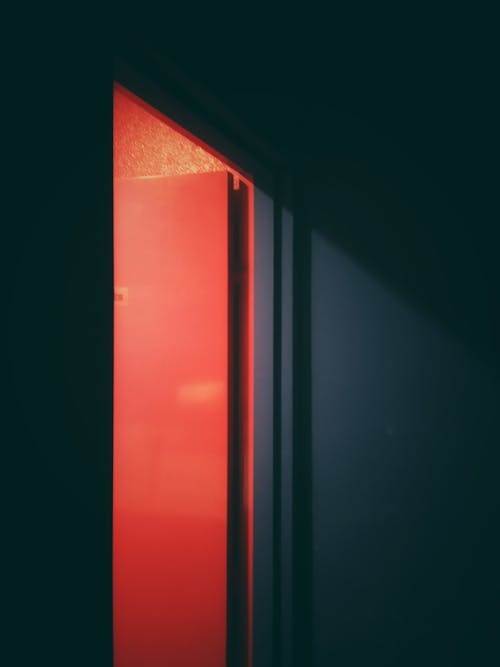 (bright red) often has amorous connotations.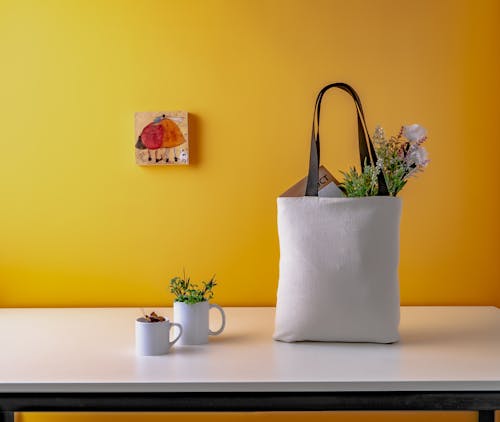
YELLOW -
It is the most luminous color. Yellow also demands
attention, and so, it is used in dangerous locations, such as the edge of a
subway platform to mark the hazard, while red used to be the color for
firetrucks, yellow is now preferred.
ORANGE - has a stimulating effect and should usually be used
in relatively small
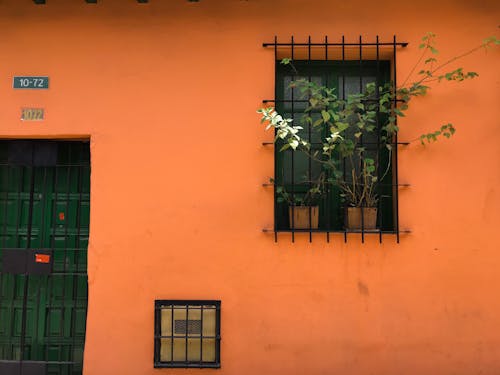 amounts. The occupant of an orange office, for instance, will
become ill
amounts. The occupant of an orange office, for instance, will
become ill
at ease after a short time and will leave it at every
opportunity.
BROWN - is restful and warming but should be combined with
orange, yellow or
 gold because it could be depressing if used alone.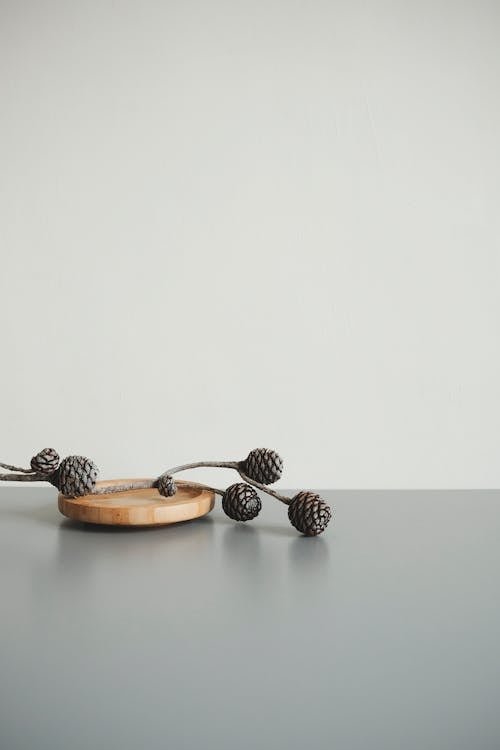
GRAY - suggests cold and is also depressing unless combined with at least one livelier color.
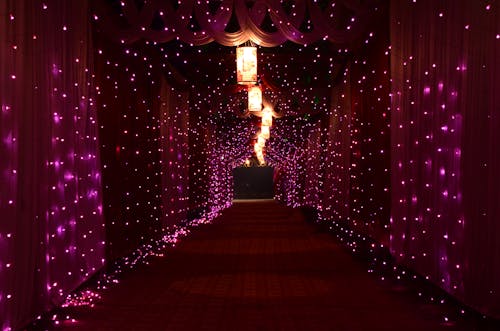
PURPLE - Promotes calmness and induces sleep. It suggests a stately or melancholy atmosphere.
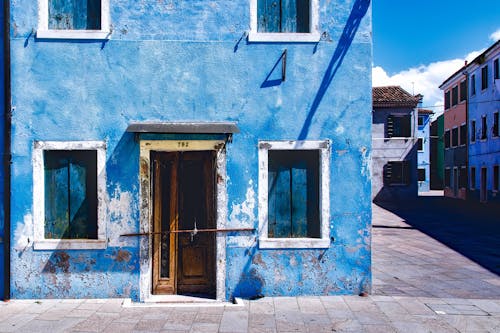
BLUE - is peaceful and tranquil. It reduces excitability and therefore helps one
This psychological use of color has been related to architecture for centuries. Bright colors
 stimulate the imagination and excite the senses to produce a
feeling of joy and pleasure. The color scheme of a restaurant for dining and
dancing should be quite different from that of a library for reading and
meditation.
stimulate the imagination and excite the senses to produce a
feeling of joy and pleasure. The color scheme of a restaurant for dining and
dancing should be quite different from that of a library for reading and
meditation.
Color can be used functionally. We can make it maximize or
minimize the size of objects.
Color can be used to help express architectural forms - and
-if carelessly used, it can
destroy the architectural form. Color on walls, floor, and ceiling is modified by other colors present in the same area. For instance, if three walls of a room are
a warm gray and the fourth wall is a shade of yellow, the yellow will be reflected in
the gray walls and will modify their appearance. Again, the pate green may look good in a room
until a bright shade of green is used next to it. Suddenly the gray-green look gray and
quite inadequate.
An enclosed room which is painted with warm colors makes
those who work in it feel warm.
Similarly, if a large, open, windowed space with a great
deal of glass painted with cool colors, people who work in it, sometimes feel chilly.
One is 'prepared' "for a room's color if the entrance
is painted a complementary color. Deep colors always seem to make the walls of a room seem heavy,
while pale pastel colors seem to make the walls light. If a room is long and narrow, its
appearance can be modified by painting the end walls with warm colors-red, yellow, orange.
Similarly, in a small room, the walls can be made to recede by painting them with cool
colors such as green and blue.
Comments
Post a Comment